Case Study
Rebuilding Limb Strength After a Left Front Radial Spiral Fracture
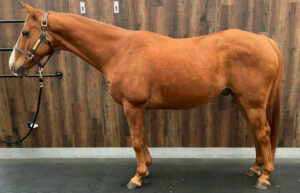
Twoey, a 14-year-old Thoroughbred polo gelding, suffered a spiral fracture of the left front radial bone requiring cautious, progressive loading to avoid reinjury. A four-month Hudson AquaPacer program that gradually decreased water depth enabled safe bone remodeling, maintained conditioning, and brought him back to full polo performance.
Horse: Twoey
Breed: Thoroughbred Gelding
Age: 14 Years Old
Discipline: Polo
The Challange:
Background
Twoey, a 14-year-old Thoroughbred gelding and seasoned polo athlete, sustained a spiral fracture in his left front radial bone — a serious injury requiring careful, progressive rehabilitation to avoid re-injury and promote safe bone remodeling. Given the high-impact nature of polo, Twoey’s team utilized the Hudson AquaPacer to restore limb strength, range of motion, and conditioning in a controlled environment.
AquaPacer Rehab Program
Treadmill Type: Hudson AquaPacer
Water Temperature: Hot water (with cold saltwater soaks during abscess)
Water Level: Started at chest level, lowered gradually to hock level over 4 months
Speed: 1.8 – 1.9 mph
Ramp-Up Period: 3 days to acclimate
Session Progression: Day 1: 2 minutes – Final Session: 20 minutes
Duration: Approximately 4 months
The Solution:
Result
Twoey made a complete return to the polo field following his AquaPacer rehab, showing no signs of compromised limb strength or stride irregularity. The gradual reduction in water level paired with consistent speed allowed for progressive loading of the healing limb — essential for a full athletic return. The additional cold saltwater therapy helped manage an abscess mid-recovery without interrupting his treadmill schedule.
The Result:
Why It Worked
Spiral fractures demand a delicate balance of rest, mobility, and
progressive reloading. The AquaPacer allowed Twoey to move safely without risking overuse during key healing stages:
- Initial chest-deep water offloaded a significant percentage of body weight, reducing axial pressure on the healing bone.
- Gradual decrease in water level increased load naturally as the fracture stabilized — a perfect analog to controlled strength training.
- Warm water supported soft tissue health and joint comfort during movement.
- Speed range of 1.8–1.9 mph promoted consistent, balanced stride mechanics while limiting high-impact forces.
- Cold saltwater soaking helped manage the abscess quickly, reducing inflammation and allowing rehab to stay on track.
Before:

After: